

Understanding Body Dysmorphia: Its Impact on Women and How to Seek Help
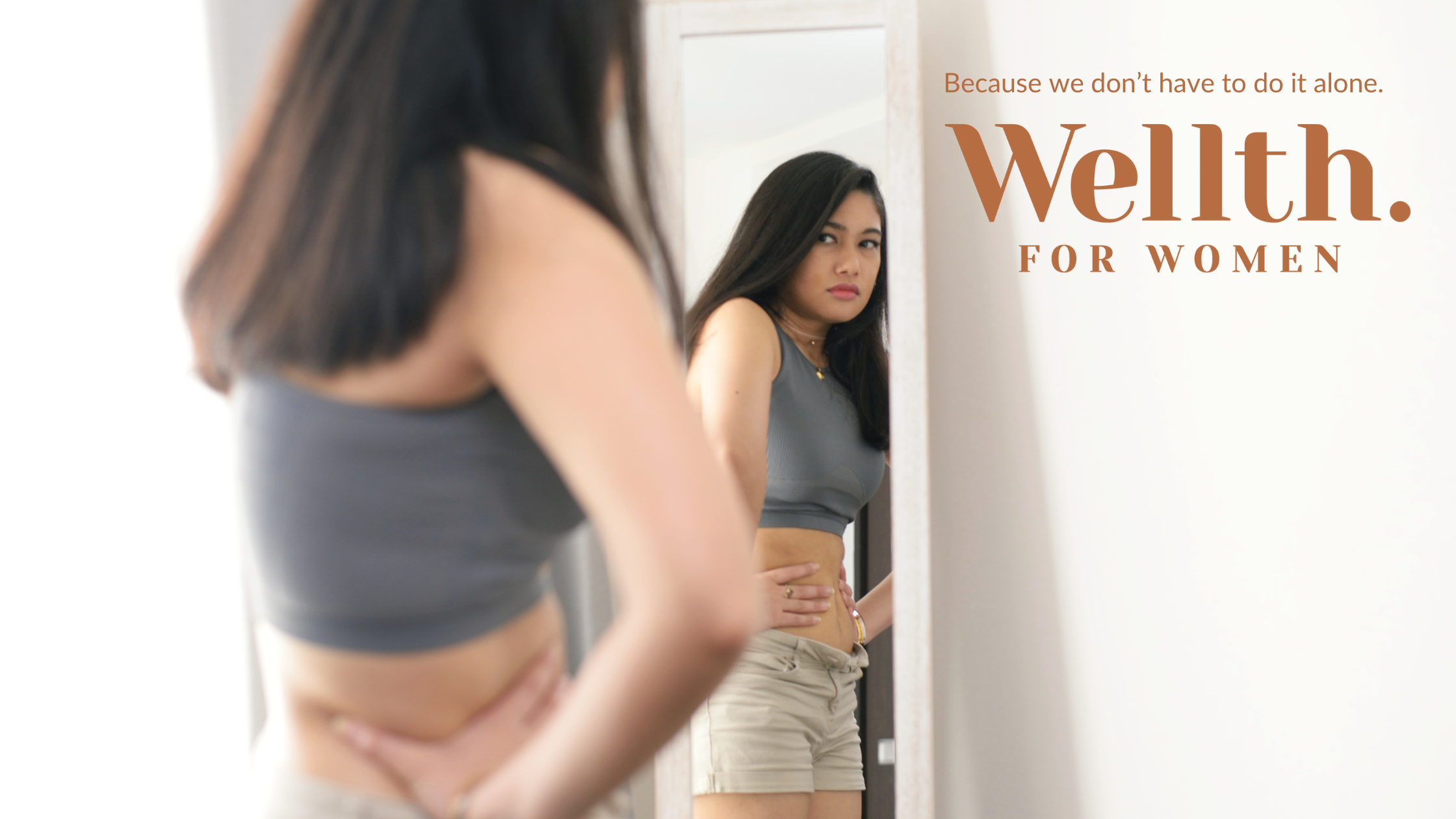
Trigger Warning: This blog discusses body dysmorphia, eating disorders, and related mental health issues. If you find these topics triggering, please proceed with caution or consider seeking support from a trusted individual or professional.
It's Mandy Jeppesen here, founder and CEO. Today, I want to chat about something that's super important and often misunderstood—body dysmorphia. This disorder is sadly on the rise with so many external factors "telling us" how we should look in life and what is deemed "beautiful". But if you haven't noticed, those beauty standards are ALWAYS evolving. From thin eyebrows, to hairy- bushy eyebrows, small butts to big, but firm, apple-shaped butts, to heroin chic', to bodaciously curvy only in the "right" places. It's impossible to keep up. That's why I want to have this conversation with you all! Let's dive into what it is, how it affects women around the world, the key contributing factors, and where you can find help.
What is Body Dysmorphia?
So, body dysmorphia, or body dysmorphic disorder (BDD), is when someone becomes obsessively concerned with perceived flaws in their appearance. These flaws are often minor or even nonexistent, but to the person experiencing BDD, they can seem overwhelmingly significant. This preoccupation can lead to severe emotional distress and interfere with daily life.
The Impact on Women
Body dysmorphia can have a huge impact on women, affecting their quality of life, self-esteem, and mental health. Women with BDD often spend excessive amounts of time checking mirrors, grooming, or seeking reassurance about their appearance. This constant focus on perceived flaws can lead to anxiety, depression, and social isolation.
For example, a study found that women with high BDD symptoms reported lower quality of life and body image, especially during sensitive times like pregnancy. The pressure to meet societal beauty standards can make it even harder for women to feel comfortable in their own skin.
My Personal Journey
I want to share a bit of my own story because I believe it ties into the broader discussion of body dysmorphia. Growing up, I struggled with an eating disorder from ages 14 to 19. I was anorexic and bulimic, starving myself out of a lack of control over anything else in my life. It started because I didn't like how I looked and had little control over aspects I didn't like, such as my hair color, my large nose that my face hadn't grown into yet, or the glasses that made me look like I was walking around with the bottoms of Coke bottles glued to my face.
So, I started starving myself to at least like the look of my figure. I could be thin with inevitable wide hips and a bigger butt. But eventually, this unhealthy mindset grew into not just anorexia but bulimia. I started vomiting from the lack of control in my life. I felt empowered and safe every time I forced my fingers down the back of my throat. Whenever I was upset about something someone had done to me and I couldn't take the option out route or wasn't able to safely do it, I made myself vomit.
When I finally stopped, I replaced it with really negative self-talk about my body, and it listened. I started gathering autoimmune diseases from this and a variety of traumatic experiences my body had been bottling up for the first twenty-some years of my life. This journey of mine is deeply connected to body dysmorphia, as it highlights the extreme measures we can take when we feel out of control and dissatisfied with our appearance.
Key Contributing Factors
Several factors can contribute to the development of body dysmorphia:
Genetic Predisposition: There appears to be a genetic component to BDD, as it tends to run in families.
Neurobiological Factors: Abnormalities in brain regions and neurotransmitter systems, such as serotonin and dopamine, may play a role in BDD.
Personality Traits: Traits like perfectionism, high levels of self-criticism, and low self-esteem can increase the risk of developing body dysmorphia.
Environmental Influences: Experiences such as bullying, trauma, and societal pressures to conform to certain beauty standards can trigger or worsen BDD.
Social Media: The rise of photo-editing apps and filters has amplified body image issues, leading to increased cases of body dysmorphia.
The Role of Social Media
Let's talk about social media and all these AI tools that let us edit our pictures. While they can be fun, they also contribute to unrealistic beauty standards and body image issues. Constantly seeing edited, "perfect" images can make us feel like we don't measure up, exacerbating feelings of inadequacy and dissatisfaction with our appearance.
Resources for Help
If you or someone you know is struggling with body dysmorphia, it's important to seek help. Here are some resources that can provide support and guidance:
Cognitive Behavioral Therapy (CBT): This type of therapy is effective in treating BDD by helping individuals change negative thought patterns and behaviors. CBT can help you develop healthier ways of thinking and coping with your appearance concerns.
Medication: Selective serotonin reuptake inhibitors (SSRIs) can help manage symptoms of BDD. These medications can reduce obsessive thoughts and compulsive behaviors, making it easier to focus on recovery.
Support Groups: Connecting with others who understand what you're going through can be incredibly helpful. Look for local or online support groups for individuals with BDD. Sharing experiences and coping strategies can provide a sense of community and reduce feelings of isolation.
Anxiety and Depression Association of America (ADAA): Offers resources and information on BDD, including webinars and articles. The ADAA provides a wealth of information on managing anxiety and depression, which often accompany BDD.
Body Dysmorphic Disorder Foundation (BDDF): Provides helpful resources and support for those navigating recovery from BDD. The BDDF offers educational materials, support networks, and guidance on finding professional help.
Hotlines and Crisis Support: If you're in immediate need of support, consider reaching out to a crisis hotline. The National Eating Disorders Association (NEDA) offers a helpline and online chat for those struggling with eating disorders and body image issues.
Conclusion
Body dysmorphia is a serious condition that affects many women around the world. Understanding its impact and the factors that contribute to it is the first step toward seeking help and finding relief. Remember, you are not alone, and there are resources available to support you on your journey to self-acceptance and mental well-being.
Let's continue to support and uplift each other as we navigate this journey together. If you or someone you know is struggling with body dysmorphia, don't hesitate to reach out for help. Together, we can create a community of empowered, confident women.
Ready to join the movement? Learn more about joining the Wellthy Women community and the benefits of our three membership tiers here. Let's make magic happen together!